.png)

.png)




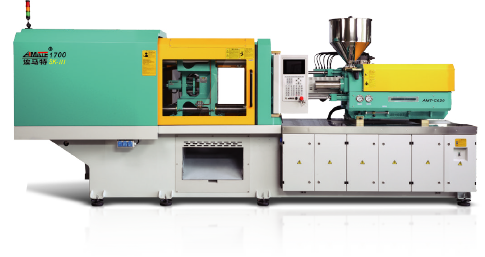
Choosing the right injection molding machine is one of the most important decisions when setting up or upgrading a plastic injection molding production line. The machine directly affects product quality, production efficiency, energy consumption, mold compatibility, and overall manufacturing cost.
However, selecting an injection molding machine is not simply about choosing a machine with a larger tonnage. Factors such as clamping force, injection volume, injection speed, mold dimensions, material type, cycle time, automation requirements, and production capacity should all be considered.
This guide explains the key factors to consider when choosing an injection molding machine and how to match the machine to your specific plastic products.
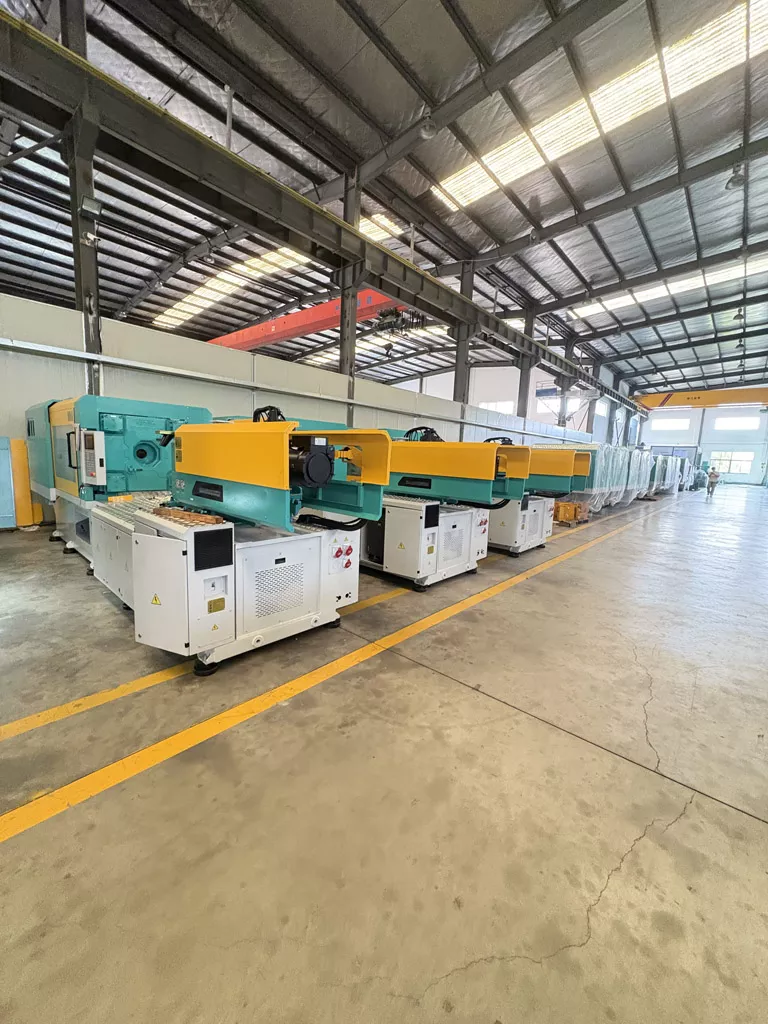
The first step in choosing an injection molding machine is to clearly define the product.
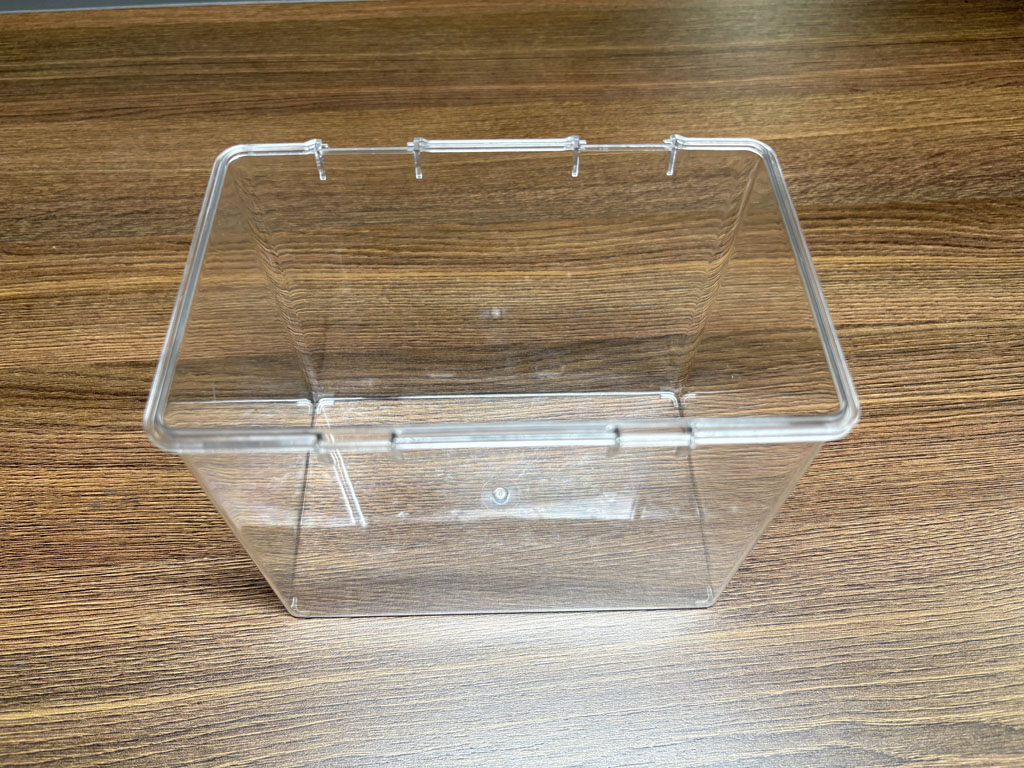
Different plastic products require very different molding conditions. For example, a small pen barrel, a nylon cable tie, a PET preform, and a thin-wall food container may all be manufactured by injection molding, but they require different machine configurations.
Before selecting a machine, determine:
Product material
Product weight
Product dimensions
Product wall thickness
Number of cavities
Required production volume
Required cycle time
Product appearance and quality requirements
For example, high-volume products such as cable ties and pen barrels often require high-speed injection molding and multi-cavity molds, while large plastic containers may require higher clamping force and greater injection volume.
The right machine should be selected according to the product and mold—not simply according to machine tonnage.
Clamping force is one of the most important specifications of an injection molding machine.
The clamping unit must provide enough force to keep the mold closed during injection. If the clamping force is insufficient, the mold may open slightly under injection pressure, resulting in flash and unstable product quality.
On the other hand, choosing a machine with excessive clamping force can unnecessarily increase equipment cost, energy consumption, and machine size.
The required clamping force depends mainly on:
Projected area of the molded parts
Number of cavities
Injection pressure
Plastic material
Mold design
For this reason, the required machine tonnage should be calculated based on the actual mold and product rather than selecting a machine simply because it has a larger nominal clamping force.
The injection unit must be capable of supplying enough molten plastic for one complete shot.
The required shot size normally includes the total weight of all cavities plus the runner system and an appropriate processing margin.
For example, a mold producing six containers in one cycle will require considerably more injection capacity than a single-cavity mold producing a small plastic component.
When comparing machines, check:
Maximum injection weight
Screw diameter
Screw stroke
Injection pressure
Plasticizing capacity
Screw length-to-diameter ratio
A properly sized injection unit helps maintain stable plasticizing and consistent product quality.
Injection speed becomes particularly important when producing thin-wall, high-precision, or high-volume plastic products.
Fast injection allows molten plastic to fill the mold before the material cools excessively. This is especially important for:
Thin-wall food containers
Plastic cups
Packaging products
Pen barrels
PET products
Multi-cavity products
For high-speed production, the machine should provide not only a high maximum injection speed but also stable and precise speed control.
For example, an AIMATE high-speed injection molding machine used for thin-wall production can be configured for fast injection and rapid mold movement to reduce cycle time while maintaining stable molding performance.
A machine may have sufficient clamping force and injection capacity but still be unsuitable for a particular mold if the mold dimensions do not match the machine.
Before purchasing a machine, check:
Maximum mold dimensions
Minimum mold height
Maximum mold height
Tie-bar spacing
Platen dimensions
Maximum opening stroke
Ejection stroke
Ejection force
Mold mounting requirements
For multi-cavity molds, especially molds with 32, 64, 128, or more cavities, the available platen area and mold-opening space become particularly important.
The machine and mold should therefore be evaluated as one complete system.
Different plastics have different processing characteristics.
Common injection molding materials include:
PP
PE
ABS
PS
PC
PA
PET
POM
MBS
Engineering plastics
Material selection can affect injection pressure, screw design, barrel temperature, plasticizing requirements, and wear resistance.
For example, nylon cable ties may require a dedicated screw and appropriate plasticizing configuration, while PET products require suitable drying and processing conditions to maintain product quality.
For specialized applications, it is therefore important to discuss the material and processing requirements with the machine manufacturer before selecting the final machine configuration.
For manufacturers producing high-volume products, cycle time has a direct influence on production capacity.
A shorter cycle time can increase the number of products produced per hour while potentially reducing the production cost per piece.
However, cycle time should not be reduced simply by increasing machine speed. The complete molding process includes:
1, Mold closing
2, Injection
3, Holding pressure
4, Plasticizing
5, Cooling
6, Mold opening
7, Ejection
8, Robot or automation handling
The machine, mold, material, cooling system, and automation equipment must work together to achieve a stable cycle time.
For example, AIMATE has tested high-speed applications including thin-wall food containers with multi-cavity molds and automated robot handling, where cycle time is a major production consideration.
Not every application requires the same type of machine.
Standard hydraulic or servo-hydraulic machines are suitable for a wide range of general plastic products, including household products, electrical components, packaging products, and industrial parts.
High-speed machines are designed for applications where fast injection, rapid mold movement, and short cycle times are important.
Typical applications include:
Food containers
Plastic cups
Thin-wall packaging
Pen barrels
High-volume stationery products
PET applications require appropriate plasticizing, drying, and injection configurations. PET injection molding machines can be used for products such as PET preforms and transparent PET products.
Some applications require dedicated machine configurations. Examples include:
Cable tie injection molding machines
Pen making injection molding machines
PET injection molding machines
Food container injection molding machines
High-speed injection molding machines
Choosing a machine specifically designed around the production application can improve efficiency and simplify process optimization.
Modern injection molding production lines increasingly use automation to improve productivity and reduce manual handling.
Depending on the application, automation may include:
Robot arms
Conveyor systems
Automatic product collection
Automatic material loading
Drying systems
Granulators
Mold temperature controllers
Central material conveying systems
For high-volume production, automation can reduce labor requirements and provide more consistent product handling.
For example, in food container production, a robot can remove molded containers from the mold and place them directly onto a conveyor system for collection.
Energy consumption is another important factor when selecting an injection molding machine, particularly for factories operating multiple machines continuously.
Servo-hydraulic injection molding machines can reduce energy consumption by adjusting motor output according to the actual operating requirements of the machine.
When comparing machines, consider:
Servo motor efficiency
Hydraulic system efficiency
Pump configuration
Injection and clamping efficiency
Standby energy consumption
Production cycle time
However, energy consumption should always be evaluated together with production output. A machine with slightly higher power consumption may still be more economical if it produces significantly more parts per hour.
For high-volume manufacturing, repeatability is often more important than simply achieving a high maximum speed.
A good injection molding machine should provide stable:
Injection speed
Injection pressure
Screw position
Mold movement
Holding pressure
Temperature control
Ejection movement
Stable machine performance helps reduce product variation and rejected parts.
This becomes especially important for products such as pen barrels, cable ties, transparent PET products, and thin-wall food containers where dimensional consistency and appearance are critical.
The cheapest injection molding machine is not necessarily the most economical choice.
When evaluating the total cost of ownership, consider:
Machine purchase price
Energy consumption
Production capacity
Maintenance cost
Spare parts availability
Mold compatibility
Automation requirements
Expected service life
Technical support
A machine with a higher initial investment may provide a lower cost per product if it offers better efficiency, shorter cycle times, lower energy consumption, and more stable production.
A professional injection molding machine manufacturer should not only recommend a machine model.
The manufacturer should understand:
Your product
Your mold
Your material
Your required output
Your target cycle time
Your automation requirements
Your factory conditions
Based on these factors, the manufacturer can recommend the appropriate clamping force, injection unit, screw configuration, machine speed, auxiliary equipment, and automation system.
This approach is particularly important for specialized applications such as cable ties, pen barrels, PET products, and thin-wall food containers.
Before making a purchase, prepare the following information:
|
Requirement |
Information to Prepare |
|
Product |
Product name and application |
|
Material |
PP, ABS, PET, PA, PC, etc. |
|
Product Weight |
Weight per piece |
|
Mold |
Cavity number and mold dimensions |
|
Clamping Force |
Required machine tonnage |
|
Injection Unit |
Required shot size and screw configuration |
|
Cycle Time |
Target production cycle |
|
Production Volume |
Pieces per hour/day |
|
Automation |
Robot, conveyor, material handling, etc. |
|
Special Requirements |
High-speed, PET, thin-wall, cable tie, pen, etc. |
Providing this information to the machine manufacturer will make machine selection much more accurate.
There is no single injection molding machine that is ideal for every plastic product.
The best choice depends on the relationship between the product, material, mold, machine, production target, and automation system.
For general plastic products, a standard servo-hydraulic injection molding machine may provide an efficient solution. For high-volume thin-wall packaging or stationery production, a high-speed machine may be more suitable. For PET applications, a dedicated PET configuration can help achieve stable processing and product quality.
The key is to choose the machine based on the actual production requirements rather than simply selecting the largest or lowest-priced machine.
Ningbo Ruizhan Intelligent Equipment Co., Ltd. (AIMATE) is a China-based injection molding machine manufacturer specializing in the research, development, manufacturing, and application of plastic injection molding equipment.
With experience in the injection molding industry since 1998, AIMATE has developed a range of injection molding machines covering different clamping forces and production requirements. The company focuses on providing efficient and application-oriented injection molding solutions for customers in global markets.
AIMATE specializes in several key application areas, including:
Food Container & Plastic Packaging Production
High-Speed Injection Molding Applications
Rather than providing only a standard machine, AIMATE focuses on matching machine configuration with the customer's product, mold, material, and production requirements.
From machine selection and customized configuration to automation integration and after-sales technical support, AIMATE aims to provide practical injection molding solutions for efficient and stable plastic manufacturing.
Looking for the right injection molding machine for your product?
Contact AIMATE for machine recommendations, production solutions, technical information, and quotations.

.png)


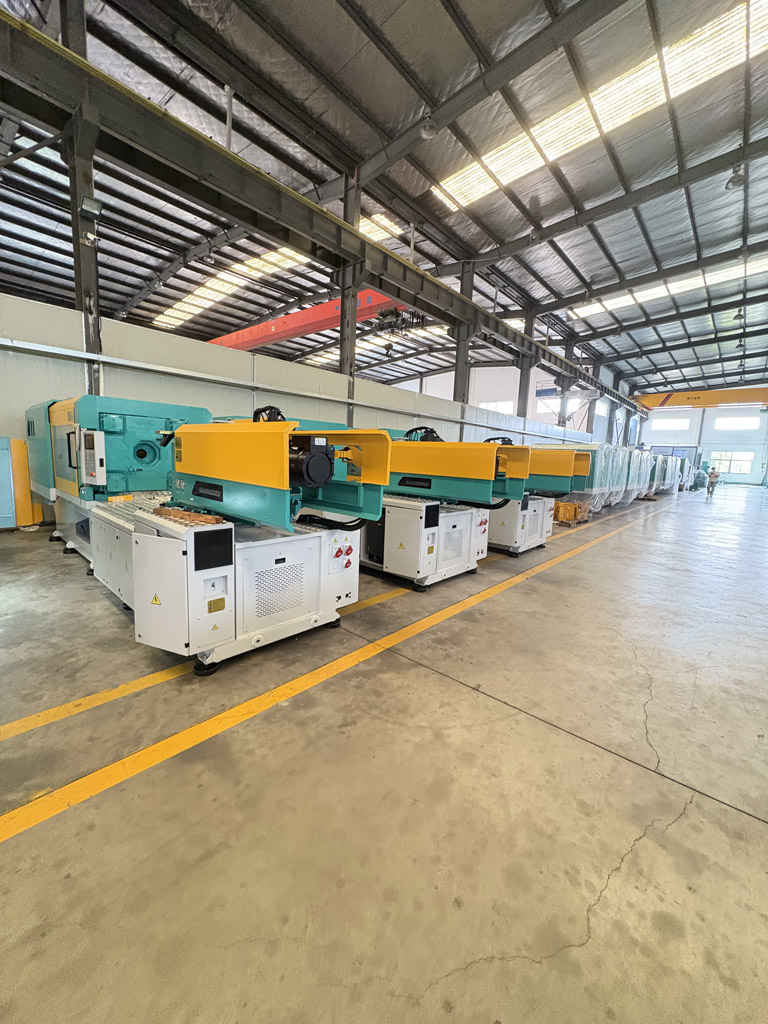
 We have served 1000+ customersWe can customize machines according to customer needsThe Best Work Team for Injection Molding Machines