.png)

.png)




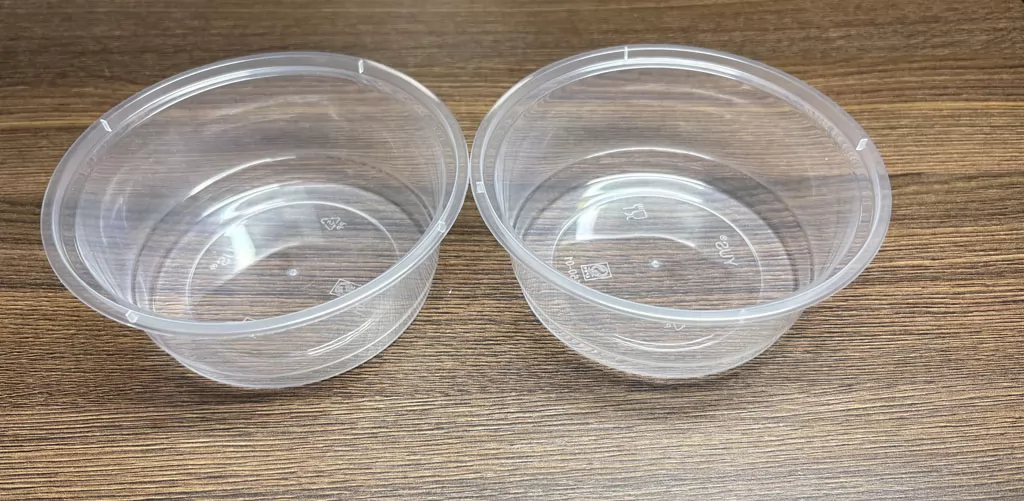
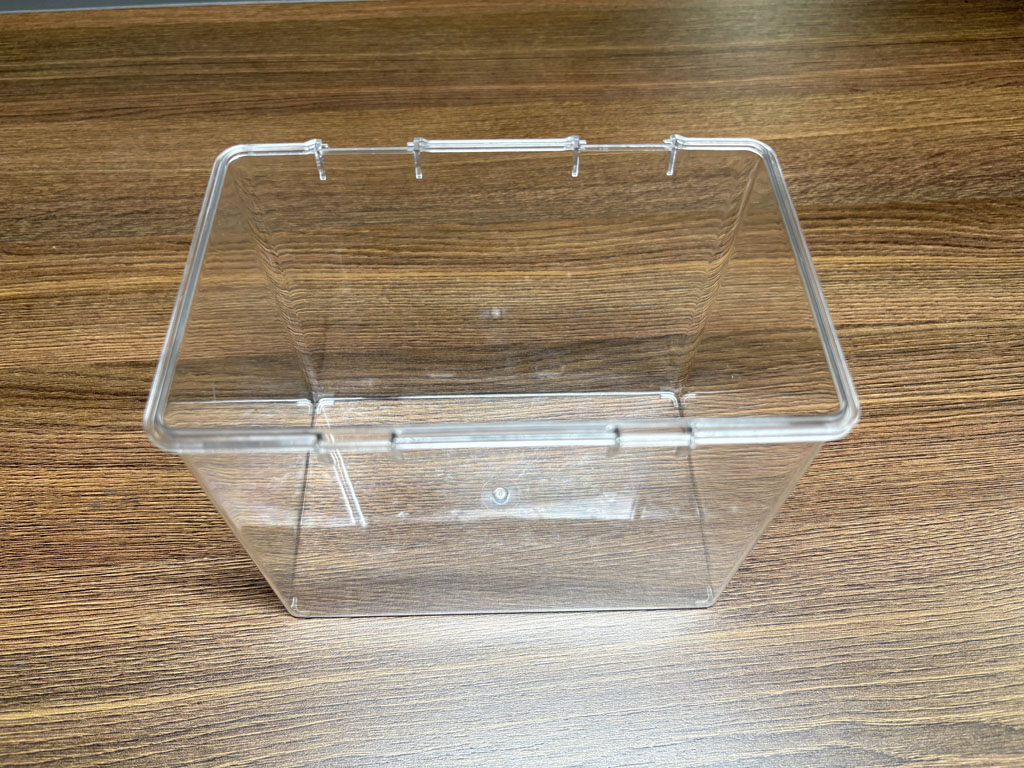
Fast food containers are widely used in restaurants, takeaway services, food delivery platforms, supermarkets, and catering businesses around the world. As demand for convenient food packaging continues to grow, manufacturers are seeking faster, more efficient, and cost-effective production methods.
Injection molding has become one of the most popular manufacturing processes for producing plastic food containers due to its high productivity, excellent product consistency, and suitability for mass production.
In this article, we will explain how fast food containers are produced and what equipment is commonly used in modern food packaging manufacturing.
The first step in food container production is choosing the appropriate plastic material.
Common materials include:
PP (Polypropylene)
PET
PS (Polystyrene)
Among these materials, PP is widely used because it offers:
Good heat resistance
Food safety compliance
Excellent impact strength
Cost-effective production
The raw materials are dried and prepared before entering the injection molding process.
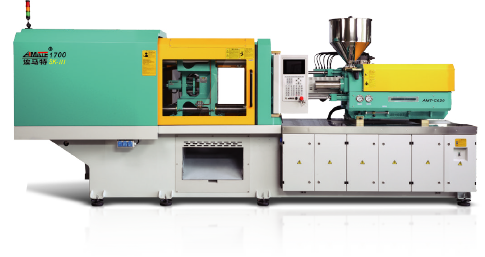
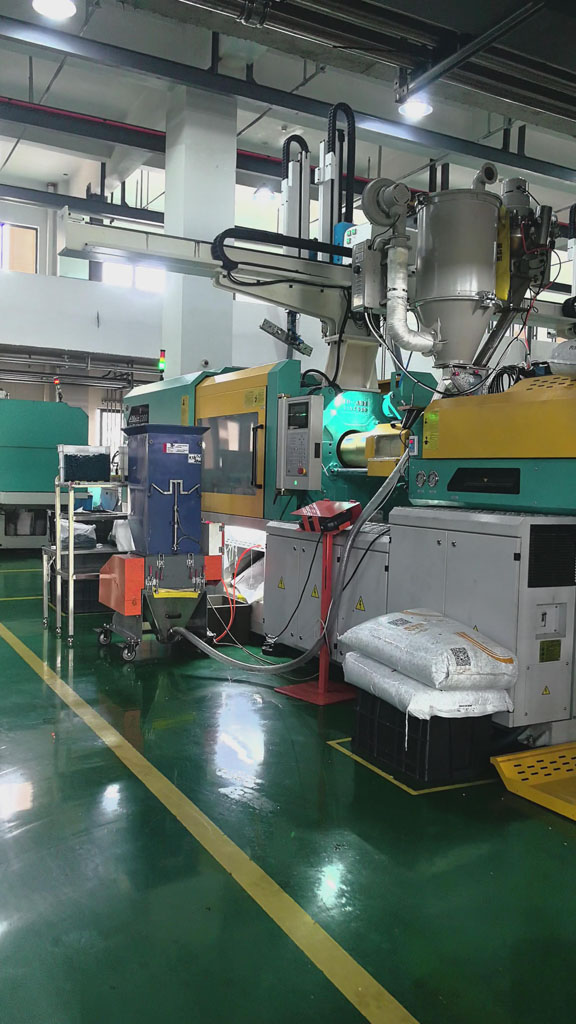
Inside the injection molding machine, the plastic pellets are heated and melted by the screw and barrel system.
The molten plastic is then injected into a precision mold cavity under high pressure.
For food container production, manufacturers often use high-speed injection molding machines to achieve:
Faster cycle times
Higher output
Stable product quality
Lower manufacturing costs
The quality of the injection molding machine directly affects productivity and product consistency.
Most fast food containers are classified as thin-wall products.
Thin-wall injection molding requires:
High injection speed
High injection pressure
Precise mold design
Stable machine performance
Because the plastic wall is thin, the molten material must fill the mold cavity quickly before cooling occurs.
This is why high-speed injection molding machines are commonly used for food container manufacturing.
After the cavity is filled, the plastic begins cooling and solidifying inside the mold.
A well-designed cooling system helps:
Reduce cycle time
Improve dimensional accuracy
Increase production efficiency
Once cooling is complete, the mold opens automatically.
Modern food container production lines are highly automated.
Robot arms or automated take-out systems are commonly used to:
Remove containers from the mold
Transfer products to conveyors
Reduce labor costs
Improve production consistency
Automation helps manufacturers maintain stable production even during long operating hours.
After inspection, the food containers are stacked, packaged, and prepared for shipment.
Depending on production requirements, manufacturers may produce:
Lunch boxes
Takeaway containers
Food trays
Disposable cups
Microwave-safe containers
The final products are then supplied to restaurants, food delivery companies, supermarkets, and packaging distributors.
In the food packaging industry, production efficiency is critical.
Manufacturers need equipment that can deliver:
Short cycle times
Stable operation
Low energy consumption
High output capacity
A high-speed injection molding machine can significantly improve productivity while reducing production costs.
For thin-wall food containers, machine speed and injection performance often determine the competitiveness of the entire production line.
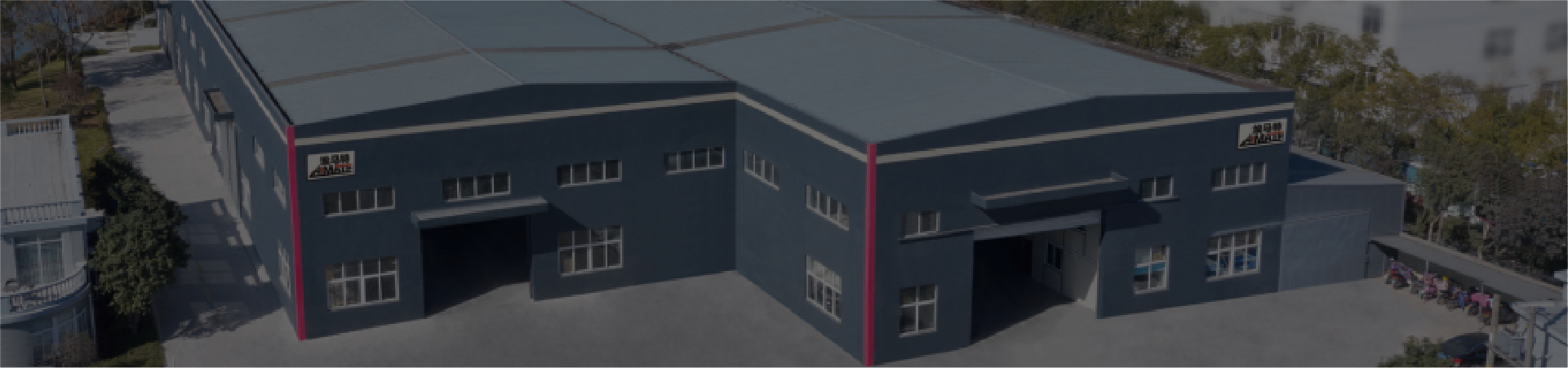
AIMATE, a brand of Ningbo Ruizhan Intelligent Equipment Co., Ltd., is a professional injection molding machine manufacturer in China.
We specialize in providing customized injection molding solutions for:
Food container production
Plastic cup manufacturing
PET preform production
Pen and stationery manufacturing
Cable tie production
Our high-speed injection molding machines are designed for fast cycle times, stable operation, and energy-efficient performance.
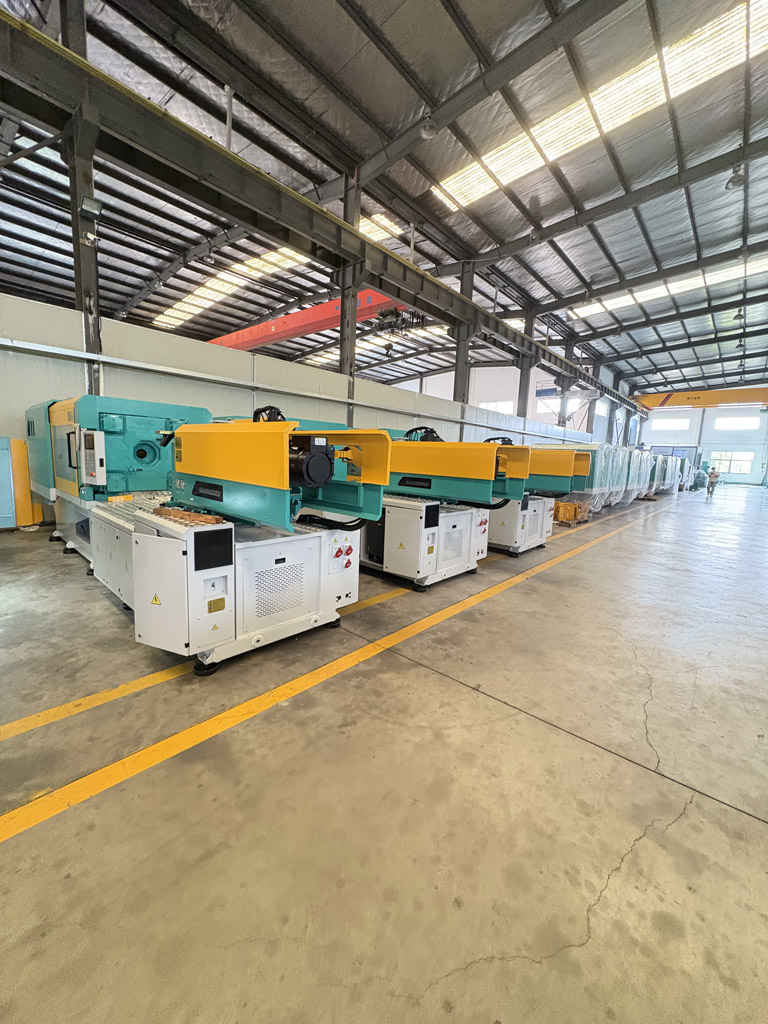
In one of our recent production tests, a 380T high-speed injection molding machine equipped with a 6-cavity food container mold achieved a cycle time of only 4.2 seconds. Combined with an automatic robot handling system and conveyor collection system, the production line demonstrated excellent efficiency and reliability for food packaging applications.
Whether you are starting a new food container production project or upgrading an existing manufacturing line, AIMATE can provide complete machine solutions tailored to your requirements.
For more information, machine videos, or quotations, please contact our team.
Website: www.aimate-machine.com
See food container production video on youtube

.png)


 We have served 1000+ customersWe can customize machines according to customer needsThe Best Work Team for Injection Molding Machines